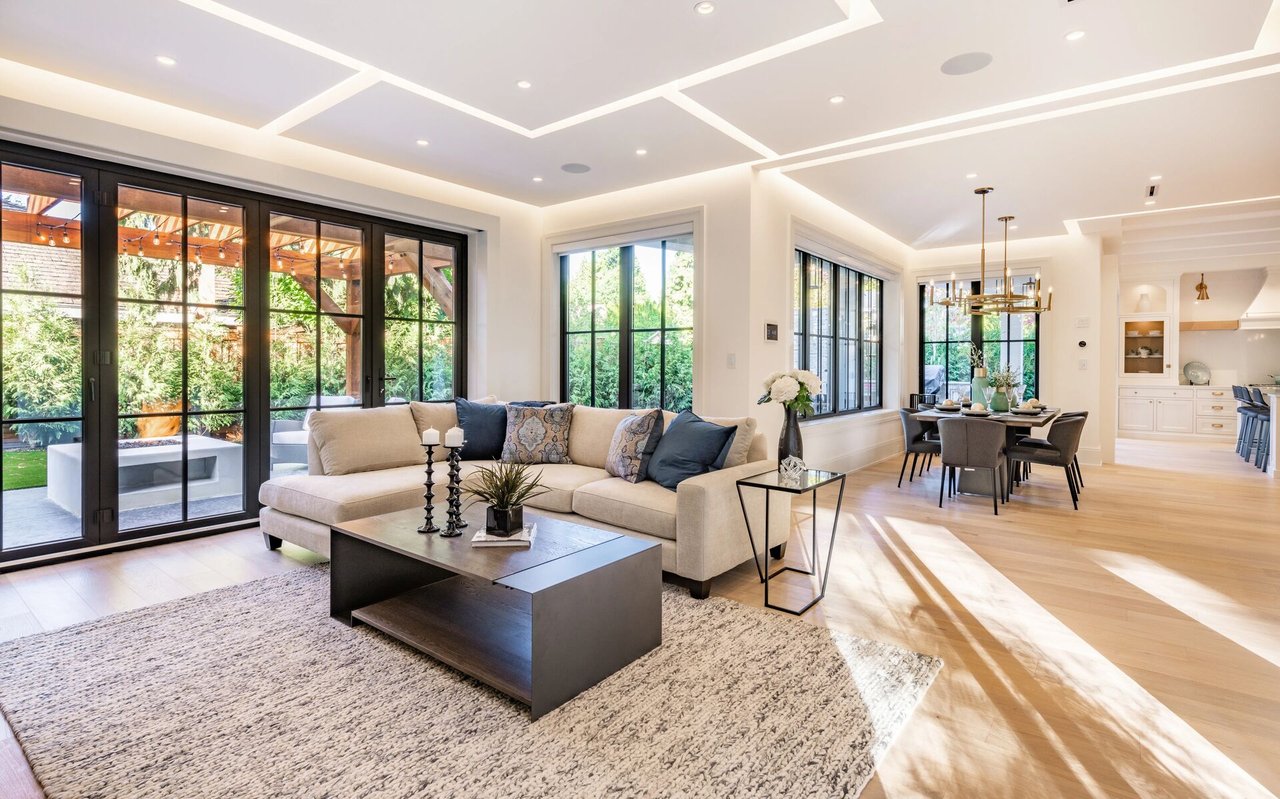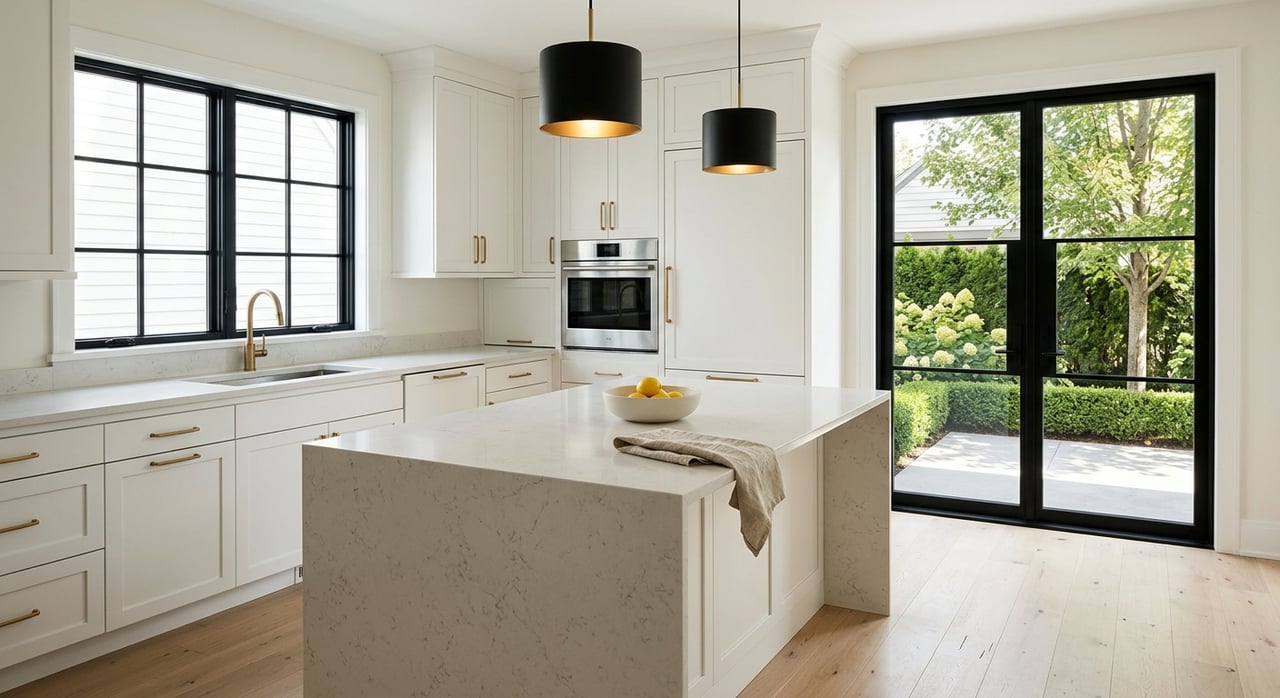
Selling your current home while planning a custom build in Ada can feel like trying to land two moving pieces at once. You want to protect your equity, avoid unnecessary stress, and time your move in a way that actually works for real life. The good news is that with the right sequence, you can create a smoother path from your current home to your next one. Let’s dive in.
Why timing matters in Ada
Ada sits in an active, higher-value West Michigan market where timing can make a real difference. Current market trackers place Ada home values and list prices roughly in the mid-$600,000s to low-$700,000s, and they show homes often moving in under a month, with median days on market in the high 20s.
That kind of market can create opportunity, but it also raises the stakes. If your current home sells quickly before your new build is ready, you need a plan for where you will live next. If you wait too long to list, you may miss the best window to use your equity toward construction or your next purchase.
Start with the build timeline
Before you decide when to list your Ada home, look closely at what has to happen before construction can truly begin. In Michigan, a building permit is required before construction starts, residential builders must be licensed, and construction documents are generally required with each permit application.
That means your timeline does not begin with excavation. It begins with plans, paperwork, approvals, and lot-specific details that can affect how quickly your project moves forward.
Permit approval comes before progress
In Ada Township, a permit application can be denied if it does not comply with zoning requirements, and a written denial is due within 14 days of submission. If your lot involves private road access, additional requirements may apply, including road completion or a financial guarantee tied to the building permit.
If rezoning or an ordinance amendment is needed, the process becomes more involved. Those requests require a formal township application and must relate back to the township master plan.
Lot conditions can shape your schedule
Ada Township’s 2023 master plan emphasizes preserving natural spaces and concentrating development where infrastructure already exists. For you, that means lot selection is not just about the view or floor plan. It can also affect utilities, zoning fit, and the speed of approvals.
If you are looking at a rural or semi-rural parcel, Kent County Health Department review may become part of the critical path. New construction with on-site sewage disposal requires a permit, and the application must include a detailed site plan and floorplans. Site evaluation is also used to determine whether the property is suitable for wells and septic systems.
Align your sale with your financing plan
Once your build path is clearer, the next step is deciding how to coordinate your current home sale with the purchase or construction of the next one. This is where many homeowners feel stuck, because the ideal move date on paper rarely matches the real build schedule.
In general, homeowners often try to sell first before buying the next home. But when you are building, that is not always the easiest fit.
Common ways to bridge the gap
Your strategy may involve one or more of these options:
- Selling your current home before construction is complete
- Making an offer or purchase contingent on the sale of your current home
- Using short-term bridge financing
- Negotiating a rent-back after closing
Each option can work, but each comes with tradeoffs. The key is choosing a structure that fits your build timeline rather than forcing the build to match a financing plan that is too rigid.
Why contingencies need careful planning
A home-sale contingency can give you time to close on your current home before completing the next purchase. Financing and inspection contingencies can also help protect you if the loan falls through or if serious issues surface during inspection.
That said, contingent offers can be harder to win in a competitive environment. Even after a home goes under contract, the path to closing can still be slowed by financing, appraisal, or inspection issues. A signed contract helps, but it does not remove all timing risk.
When a rent-back may help
A rent-back, sometimes called a seller leaseback, allows you to stay in your home for a set period after closing. This can be useful if your home sells before your next home is ready.
But a rent-back only works when everyone is aligned in advance. The buyer, lender, title company, and insurance provider all need to be on the same page, and many lenders will not accept leasebacks longer than 60 days.
Get your current home market-ready early
If you are building a new home, it is tempting to wait until construction feels more certain before preparing your current property for sale. In practice, starting early usually gives you more control.
A well-prepared home is easier to list quickly when the timing is right. It also reduces last-minute stress if your build schedule changes and you need to move faster than expected.
Focus on presentation that feels easy
Home staging does not have to mean perfection. It means creating a clean, welcoming environment where buyers can picture themselves living in the space.
National staging research found that 29% of agents said staging increased the dollar value offered by 1% to 10%, and 49% said staging reduced time on market. For a homeowner juggling a build, that can be especially helpful because a faster, cleaner sale can make the next step easier.
Prioritize these prep steps
A practical preparation plan often includes:
- Handling deferred maintenance
- Decluttering everyday living areas
- Removing highly personal items
- Keeping finishes and décor neutral
- Refreshing curb appeal
- Maintaining a showing-ready routine
In a market like Ada, where homes can move relatively quickly, these basics matter. The goal is to make your home easy to photograph, easy to show, and easy for buyers to imagine as their own.
Consider a pre-sale inspection
A pre-sale inspection can help you uncover issues before buyers do. According to consumer guidance on preparing to sell, these inspections can cover the structure, exterior, roof, plumbing, electrical systems, heating and air conditioning, interiors, ventilation and insulation, and fireplaces.
That information can help you decide what to repair before listing. It can also reduce avoidable negotiation friction once you are under contract.
Build a realistic transition plan
The smoothest sell-while-building moves usually happen when three pieces are aligned early: your lot and permit path, your financing and contingency strategy, and the readiness of your current home.
If one of those pieces is behind, the whole timeline can feel shaky. If all three move together, you create better options and more flexibility.
A simple planning sequence
If you are selling in Ada while building your next home, this sequence can help:
- Confirm the lot, zoning fit, and infrastructure needs.
- Understand permit requirements and any health department reviews.
- Map out your financing approach around the likely build timeline.
- Prepare your current home for market before construction is complete.
- Choose a listing window that supports both your equity goals and your move plan.
- Have a backup plan for temporary housing or post-closing occupancy.
This kind of planning does not remove every variable. It does make the process far more manageable.
Why local strategy matters
Selling while building is never a one-size-fits-all move. In Ada, details like township zoning, lot conditions, private road access, and septic or well approvals can all affect timing in ways that are easy to underestimate.
That is why local guidance matters so much. You need a strategy that looks at your current home, your future lot, your likely timeline, and the presentation required to maximize your sale.
With the right plan, you can move from one chapter to the next with more confidence and fewer surprises. If you are thinking about selling in Ada while building your next home, Kristina L Tanner can help you create a polished, well-timed strategy that supports both sides of the move.
FAQs
How long does it take to start new home construction in Ada?
- Construction cannot legally begin until the required permit process is completed, and timing can also depend on zoning compliance, lot conditions, and whether Kent County review is needed for wells or septic systems.
What should Ada homeowners do first when selling while building?
- Start by understanding the build timeline, including lot fit, permits, and any site-related approvals, because those steps often shape the best time to list your current home.
Can a rent-back help when selling a home in Ada?
- Yes, a rent-back can help bridge the gap after closing, but it works best when the buyer, lender, title company, and insurance provider all approve the arrangement in advance.
Should you stage your Ada home before listing?
- Staging can help your home show better and may support a faster sale, especially when the focus is on decluttering, neutral presentation, and keeping the property easy to show.
Why can lot selection affect a custom build timeline in Ada?
- Lot selection can influence zoning compliance, infrastructure access, and whether additional reviews are needed, all of which may affect how quickly permits and construction can move forward.