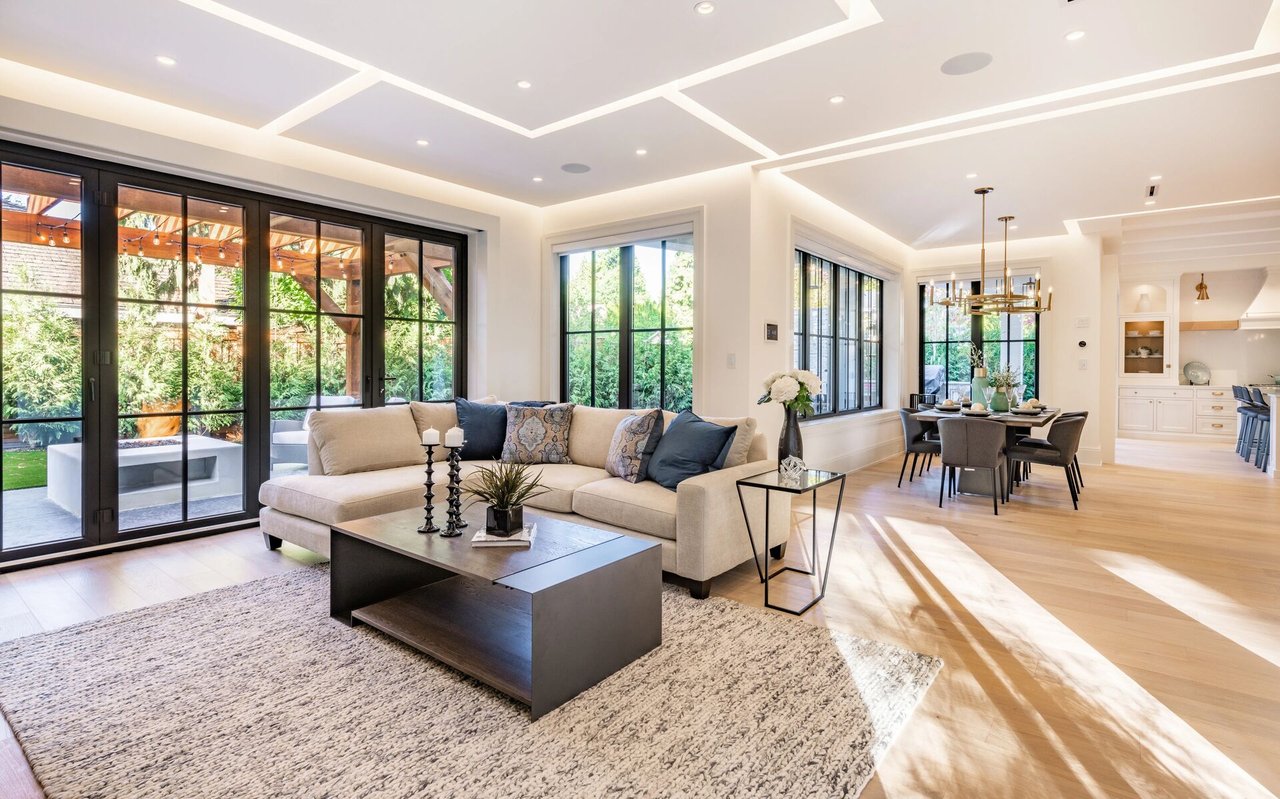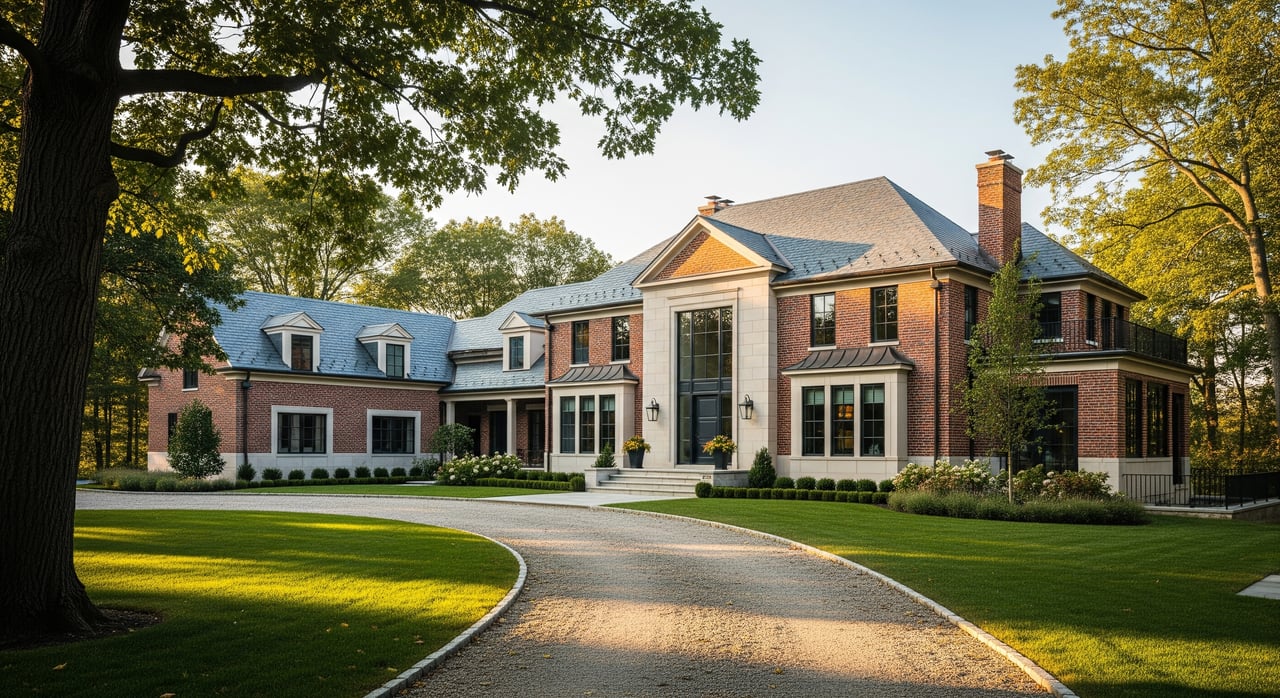
What if choosing the right home style could make your everyday life easier and boost your future resale in Forest Hills? If you are comparing modern farmhouse, transitional, mid‑century, or classic colonial, you are not alone. Buyers here care about design, natural light, and function that fits Michigan seasons. This guide shows you what to look for in each style, plus practical tips to read listing photos and floor plans with confidence. Let’s dive in.
Forest Hills context: what matters
Forest Hills refers to the suburban neighborhoods around Ada and Cascade with homes often served by Forest Hills Public Schools. School boundaries can influence demand, so always verify assignments on the Forest Hills Public Schools district site. Cold winters and humid summers shape daily living here, so features like mudrooms, energy‑efficient windows, and well‑insulated garages are more than nice to have. Keep these priorities in mind as you compare styles and plan showings.
Modern farmhouse: fresh and functional
Visual hallmarks
- Gable rooflines and board‑and‑batten or vertical siding
- Light exteriors with black window frames or metal accents
- Covered entries or porches that extend outdoor living
Floorplan tendencies
- Open kitchen, dining, and family room with a large island
- Mudroom or drop zone near the garage, often with main‑level laundry
- Newer builds may include a main‑level primary suite
Photo and staging cues
- Central island with pendant lighting and clear sightlines to living areas
- Neutral textiles, wood accents, and oversized windows or sliders to the backyard
- Look for practical storage at entries that handle snowy gear
Livability in Michigan
Covered entries help in winter, and mudrooms keep salt and slush contained. Large windows add light but should be double or triple pane for comfort and costs. You can review window performance basics using ENERGY STAR guidance on efficient windows.
Resale notes
The farmhouse aesthetic remains popular when finishes are neutral and durable. Focus on quality counters, efficient windows, and a smart mudroom for broad appeal. Trendy features that are overdone can date quickly, so keep materials classic and functional.
Transitional: balanced and versatile
Visual hallmarks
- Traditional proportions with clean, updated lines
- Mixed materials like stone with siding and a balanced facade
- Neutral palettes and refined, not flashy, fixtures
Floorplan tendencies
- Open yet defined spaces that allow privacy when needed
- Flex rooms that convert to a home office or formal dining
- Shaker cabinets, modern hardware, and a moderate island are common
Photo and staging cues
- Clear circulation with the ability to close off or separate rooms
- Medium‑toned hardwoods or quality engineered flooring
- Lighting and hardware that blend classic shapes with modern finishes
Livability in Michigan
Transitional layouts make furniture placement simple and keep daily flow calm. Defined rooms help contain noise, which is useful for remote work. The style’s restraint photographs well and tends to feel timeless.
Resale notes
Transitional design has wide market appeal and ages well. Neutral finishes, updated mechanicals, and efficient windows are smart investments. Buyers often value the balance of openness with practical separation.
Mid‑century modern: indoor‑outdoor connection
Visual hallmarks
- Low‑pitched or flat roofs and strong horizontal lines
- Clerestory, ribbon, or large picture windows
- Simple facades with built‑ins or a focal fireplace
Floorplan tendencies
- Open living and dining zones with big windows to the yard
- Many single‑level ranches from the 1960s and 1970s
- Partially finished basements add useful bonus space
Photo and staging cues
- Long window walls and sliders, sometimes with original wood or brick
- Lower ceiling heights in many, higher in vaulted variants
- Watch for original cabinetry or paneling that may be a feature, not a flaw
Livability in Michigan
Natural light is a major plus. Check window age and glazing to avoid heat loss in winter. Roofs and insulation in mid‑century homes may need attention, so confirm updates with permits and service records.
Resale notes
Design‑minded buyers often seek authentic mid‑century details. Respectful updates that preserve original character can lift value. Low‑quality remodels that cover up original materials can hurt appeal.
Classic Colonial: timeless and flexible
Visual hallmarks
- Symmetrical facade with centered front door
- Gabled roof and double‑hung windows, often with brick or clapboard
- Formal entry with a center hall
Floorplan tendencies
- Formal living and dining at the front, kitchen and family room toward the rear
- Bedrooms on the second level and a compartmentalized main floor
- Abundant storage in multiple closets, attic, and basement
Photo and staging cues
- Clear central hallway and defined rooms with a staircase near the entry
- Traditional millwork and mantel details
- Spaces that stage well as an office, playroom, or den
Livability in Michigan
Formal rooms offer quiet zones for work or hobbies. Some buyers open the kitchen to the family room to improve flow. Check for window upgrades and insulation in older Colonials.
Resale notes
Traditional curb appeal remains strong. Sensitive updates to kitchens and baths tend to perform well. Buyers who prefer defined rooms often favor this style.
Layout, light, and finishes that matter most
Layout essentials
- Circulation and sightlines: Open visual connection between kitchen and living spaces improves daily life, especially for those with children. On floor plans, look for clear paths and right‑sized rooms.
- Bedroom and bath count: In many Forest Hills neighborhoods, 3 or more bedrooms with 2 or more full baths aligns with expectations. A main‑level suite can help with aging in place.
- Flex rooms: A dedicated office, a usable basement, or a mudroom increases marketability.
- Storage: Closets, garage systems, and attic or basement storage reduce clutter and stress.
Natural light and efficiency
Natural light is a top priority for comfort and photos. In listings, count the number and size of windows and note the room orientation. For energy performance in our climate, look for double or triple panes and low‑E coatings, and review ENERGY STAR window guidance for benchmarks.
Finishes and materials
Kitchens and baths drive perception and value. Neutral, durable choices like quartz or granite counters, shaker cabinets, and quality hardware appeal to a wide audience. The annual Cost vs. Value report shows that kitchen updates and exterior improvements often recoup a meaningful share of costs. Hardwood or quality engineered wood shines in main areas, while carpet is common in bedrooms. Consistent paint palettes and updated lighting help any style feel current.
How to read listing photos and floor plans
Quick photo scan
- Natural light: Daylit photos, multiple or large windows, and lighter window treatments
- Kitchen: Island size, appliance type, counter materials, and sightlines to living areas
- Flow: Can you see straight through spaces or are there tight pinch points
- Condition: Stains, sagging ceilings, dated flooring, or uneven surfaces
- Exterior: Roof, gutters, grading, driveway condition, and mature trees
Floor plan checks
- Room sizes: Do dimensions match the advertised square footage and fit your furniture
- Entry sequence: Is there a mudroom or buffer between garage and living areas
- Traffic patterns: Keep cook zones clear of main walkways
- Flexibility: Could a dining room become an office, or a basement add living space
Staging signals
- Professionally staged rooms can reveal ideal furniture placement and traffic flow
- Over‑staging may hide scale or issues, so request additional photos or a video tour
- In winter, look for organized entry storage and durable rugs, which signal practical function
What to verify before touring
- Year built, major renovation dates, and square footage by level
- Bedroom and bathroom counts, main‑level laundry, garage size, and mudroom presence
- Recent permits or system updates for roof, windows, HVAC, and water heater
- School district and assigned schools, verified at the Forest Hills Public Schools site
- Parcel data and permit history through official county resources, then compare to listing claims
Smart questions to ask the listing agent
- Age and warranty for roof, HVAC, water heater, and windows
- Insulation levels and any energy audits performed
- Any history of water intrusion, grading concerns, or foundation repairs
- Permits pulled for kitchen, bath, or structural changes
How to compare similar listings
- Price per finished square foot versus recent neighborhood comps
- Age and effective age if renovations were completed
- Days on market and list‑to‑close price trends for the area
- Functional features: main‑level suite, attached garage, mudroom, finished basement, and parking
- Energy and utility notes when available
Style fit by lifestyle
- Love to entertain: Open farmhouse or mid‑century layouts often provide easy flow between kitchen and living areas.
- Need quiet zones: Transitional or Colonial plans offer defined rooms that double as home offices or study areas.
- Plan to age in place: Ranch‑style mid‑century homes or newer builds with main‑level suites can simplify daily living.
Where trends meet timeless
If you care about what photographs well and lives even better, focus on light, flow, and finish quality before chasing trends. National research on buyer behavior and staging from the National Association of Realtors and design surveys like Houzz Research show buyers respond to bright spaces, updated kitchens, and cohesive palettes. Local appeal still depends on neighborhood norms and recent comps, so keep your comparisons close to Forest Hills. For a broader context on housing age and stock, explore the American Community Survey at data.census.gov.
Ready for next steps
Choosing a style is personal, but the right layout, light, and finishes make any home feel like it was made for you. If you would like a guided search, help reading floor plans, or advice on which upgrades hold value in Forest Hills, reach out to Kristina L Tanner. Let’s connect.
FAQs
What home styles are most common in Forest Hills, MI
- You will often see modern farmhouse, transitional, mid‑century ranches, and classic Colonials, with variations by neighborhood and era of construction.
How do Forest Hills school boundaries affect buying
- School assignments can influence demand and resale, so confirm attendance areas directly with the Forest Hills Public Schools district site before you tour or write an offer.
Which style is best for Michigan winters
- Any style works if it includes functional features like a mudroom, insulated or heated garage, and efficient windows with quality glazing.
Are large windows a problem in cold weather
- Large windows are fine if they are double or triple pane with low‑E coatings, and you maintain good insulation, as outlined by ENERGY STAR window guidance.
What upgrades usually improve resale in Forest Hills
- Neutral, durable kitchen and bath updates and exterior enhancements tend to perform well according to the Cost vs. Value report, along with modern mechanicals and energy efficiency.
How can I tell if a floor plan will flow well
- Look for clear sightlines, right‑sized rooms, and traffic paths that do not cross the kitchen’s cooking zone, plus a logical entry sequence with storage.
What should I ask about older mid‑century or Colonial homes
- Confirm window age, roof and insulation levels, any water or foundation history, and whether major updates were permitted and inspected.