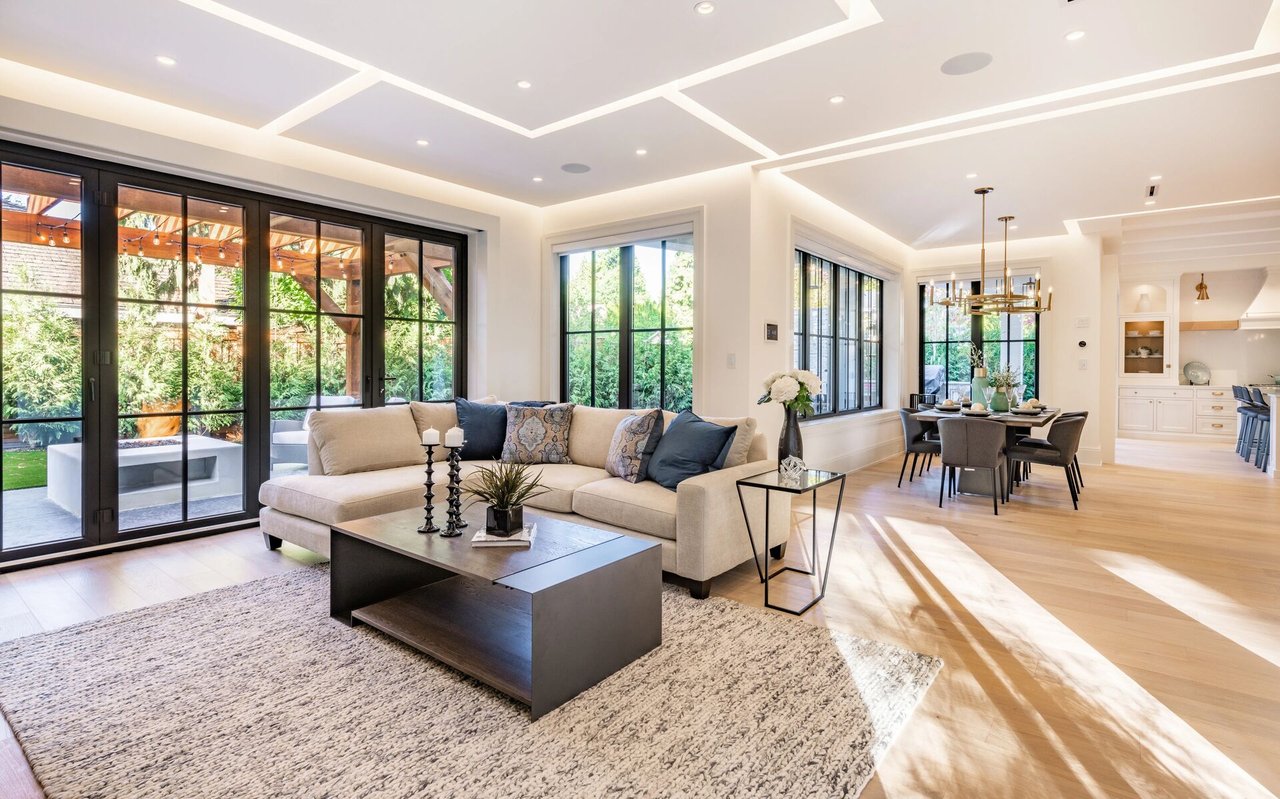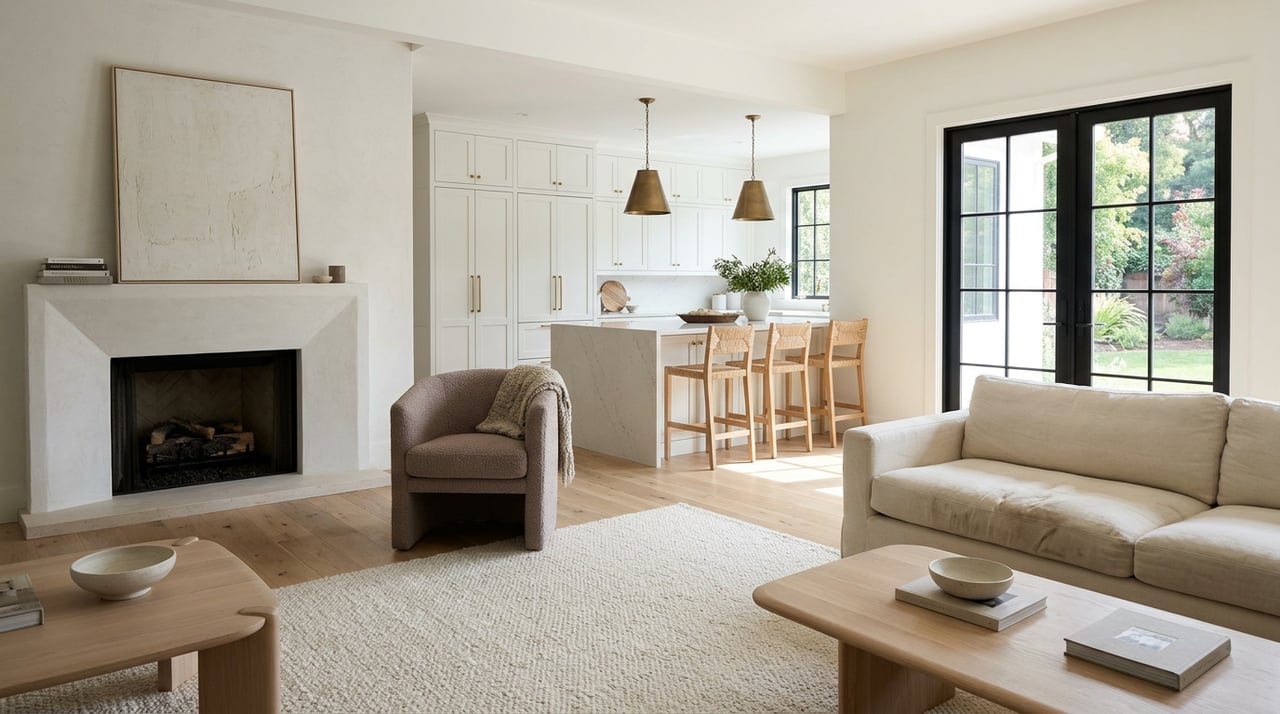
Want buyers to stop scrolling and start scheduling a showing the first weekend your East Grand Rapids home hits the market? In a selective, design-minded submarket, presentation can shape time on market and final offer strength. Here is how to use design-first staging and premium media to meet high buyer expectations. You will get a clear plan, local benchmarks, and a simple calendar to follow. Let’s dive in.
Why design-first staging matters in East Grand Rapids
East Grand Rapids sits in a higher-priced pocket of Kent County. Recent snapshots show a median listing price around $804,950 and a sales-to-list ratio near 99%, with days on market varying by month and sometimes stretching longer in listing snapshots. These figures come from Realtor.com’s local overview. Redfin’s February 2026 view shows a median sale price near $707,500, and Zillow’s Home Value Index reads about $648,391 as of late February 2026. These are different metrics on different timelines, but they tell the same story: buyers can be selective and expect move-in readiness and refined presentation.
East Grand Rapids is a small, established community of roughly 11,000 residents with median household income estimates in the six-figure range, according to Census QuickFacts. Buyers here often value schools, lake and park access, and preserved architectural details. That means you should stage to highlight craftsmanship and lifestyle. The first week of your listing is your most important benchmark, so aim for a magazine-level debut.
Start with edit and prep
Before styling, get the fundamentals right. The National Association of Realtors consistently emphasizes that decluttering, depersonalizing, deep cleaning and small repairs deliver the highest return relative to cost. See the guidance in the NAR Profile of Home Staging.
- Declutter and edit surfaces. Clear counters, simplify bookshelves, and remove excess furniture so rooms read larger in photos.
- Depersonalize. Store personal photos and niche collections so buyers can picture themselves living there.
- Deep clean and repair. Touch up paint, caulk bathrooms and kitchens, fix squeaks, and address scuffed trim.
- Neutralize color. A fresh, neutral wall palette lets natural light and architecture take the lead.
Style the rooms buyers notice most
Focus your energy where it counts. Agent surveys show the living room, primary bedroom and kitchen carry the most weight with buyers, and staged homes often sell faster, according to HomeLight’s staging statistics.
- Living room: Right-size the sofa and chairs, float furniture off walls to define a conversation area, and layer textures with a rug, pillows and a simple throw. Keep a single focal point, like the fireplace or a large window.
- Primary bedroom: Aim for calm and hotel-clean. A tailored bedscape, matching side tables with lamps, and two to three accents are enough.
- Kitchen: Clear counters, add one lifestyle vignette like a cutting board with a bowl of fruit, and keep small appliances stored. If hardware or a pendant feels dated, a tasteful swap can refresh the whole space.
Light, art and color that photograph well
Lighting and finish details can transform how rooms feel in person and online. Industry guides emphasize small lighting updates as high-impact moves for sellers, including layered lighting and consistent bulb color temperature. See the practical advice from Homes.com’s staging guide.
- Layer light. Use a mix of ambient, task and accent lighting. Replace mismatched fixtures where a modest spend delivers outsized effect.
- Keep bulbs consistent. Choose one color temperature throughout spaces to avoid odd color casts in photos.
- Choose edited art. One or two statement pieces sized to the wall work better than many small frames. Avoid highly personal or polarizing themes.
- Add life carefully. Textiles and plants create warmth without clutter when used sparingly and intentionally.
Showcase East Grand Rapids assets
Stage to honor architecture and frame the lifestyle. Arrange furniture to open clear traffic paths and to spotlight millwork, window seats, and lake or garden views. When you can, set vignettes that pull the eye out to porches or patios. Small tweaks like angling a chair toward a picture window can help buyers connect with a view the moment they enter.
Curb appeal matters on tree-lined streets and near lake-adjacent blocks. Keep beds tidy, power-wash walkways, refresh the doormat and add a potted plant by the door. These simple touches, commonly recommended in seller checklists, help convert online interest into in-person showings. See the exterior tips in the Homes.com guide.
Pro media that sells the story
Strong staging needs strong media. Professional photography has a measurable impact on outcomes. Redfin’s analysis found that homes with DSLR-quality photos in certain midprice ranges sold for roughly 3,400 to 11,200 dollars more than similar homes with amateur photos, and they often sold faster. See the data-driven take in Redfin’s photography report.
- Twilight and drone: Twilight exteriors and selective aerials can set premium and lake-adjacent listings apart. Use twilight sparingly and honestly to represent the property’s light and setting.
- Interactive 3D tours and floor plans: Zillow reports that listings with an Interactive Floor Plan were saved 79% more and viewed about 60% more than those without in one sample period. See details in the Zillow 3D Home FAQ. This is especially useful for relocators who are short on time.
- Short video: A 30 to 90 second walkthrough shows flow, finishes and outdoor connections. It also fuels social marketing.
- Virtual staging, disclosed: For vacant rooms, virtual staging can boost clicks, but you must disclose any digitally altered images and avoid edits that misrepresent condition or views. Review NAR’s guidance in “Are You Catfishing Buyers” to stay compliant: NAR marketing guidance.
- Plan your capture sequence: Shoot in this order to maximize consistency and quality: twilight and exterior drone, main interior rooms after staging, interactive 3D and floor plan capture, then short-form video. See process notes in the Zillow 3D Home FAQ.
Your 4-6 week pre-listing plan
Week -6 to -4: Strategy and prep
- Meet with your agent and, if needed, a stager to target high-impact cosmetic fixes and priority rooms. Start decluttering and repairs. NAR emphasizes these front-loaded steps as top ROI actions. Reference the NAR staging profile.
Week -4 to -2: Styling and setup
- Implement repairs, paint where needed, and install updated lighting. Bring in staged furniture and accessories if appropriate. Confirm photographer, 3D/floor plan capture and drone availability. See practical tips in the Homes.com staging guide.
Week -2 to 0: Media capture and listing build
- Capture professional stills, twilight, drone and interactive 3D tours. Prepare MLS-compliant images and captions. If you use virtual staging, label those images clearly and retain originals. See technical notes in the Zillow 3D Home FAQ.
Launch and first 2 weeks: Feedback loop
- The first weekend matters. Track views, saves and showing requests closely. If buyer feedback reveals friction points, adjust small styling elements or clarify listing details. Use the initial listing period as your key benchmark, a pattern reflected in Realtor.com’s overview.
Budget and ROI, by the numbers
- Staging investment: Industry references often place occupied staging around 1% of list price for a two to three month program, with many sellers recouping costs via faster sales and stronger offers. See the perspective in NAR’s staging report: NAR Profile of Home Staging.
- Offer lift potential: In a 2025 NAR snapshot, nearly 29% of agents reported staging produced a 1% to 10% increase in the dollar value of offers. Review the summary in the NAR newsroom.
- Photography return: Professional photos have been linked with both faster sales and measurable price uplifts in midprice bands. See Redfin’s analysis.
- 3D engagement: Listings with an Interactive Floor Plan on Zillow saw about 60% more views and 79% more saves in one sample period. Source: Zillow 3D Home FAQ.
Illustrative scenario: Consider a home near the February 2026 Redfin median sale price of about $707,500 in East Grand Rapids. If you invest roughly 1% of list, around $7,075, and staging plus media contribute to a 1% to 10% uplift in offers observed by agents in some transactions, that is a potential range of about $7,000 to $70,000 in added value compared with similar unstaged listings. This example is illustrative, not guaranteed. Results vary by price point, condition and demand. See local trend context on Redfin’s East Grand Rapids market page.
Quick checklist for launch week
- Do a final sweep: hide cords, remove countertop clutter, and align textiles.
- Set consistent lighting: turn on all lamps and overheads with matching bulb temperatures.
- Choose a hero image: if you have a strong twilight or lifestyle shot, lead with it.
- Verify captions and disclosures: label any virtually staged images and avoid edits that could mislead.
- Monitor listing-week metrics: views, saves and showing volume will guide any small course corrections.
Work with a design-savvy local partner
When the goal is a faster, stronger sale, design-forward staging plus editorial-quality media is your best lever. With a background in fashion and merchandising and a boutique, hospitality-driven approach, Kristina helps East Grand Rapids sellers transform homes into curated listings that stand out. The service blends staging strategy, high-quality photography and video, and neighborhood-specific digital storytelling for maximum exposure.
If you are considering a sale in East Grand Rapids and want a refined, efficient plan, connect with Kristina L Tanner. Let’s align timing, prep, and media so your first week on market does the heavy lifting.
FAQs
What is design-first staging for home sellers?
- Design-first staging means you start with an editorial vision for how rooms should look and feel in photos and in person, then style furniture, lighting and accessories to highlight architecture and lifestyle.
How much should East Grand Rapids sellers budget for staging?
- Many occupied-staging programs cluster around roughly 1% of list price, with exact quotes varying by scope and duration. Get written local estimates and itemized proposals.
Which rooms matter most to stage before listing?
- Prioritize the living room, primary bedroom and kitchen, since buyers and agents most often focus on these spaces and they anchor your photography and 3D tour.
Does virtual staging work and what should I disclose?
- Virtual staging can help vacant rooms perform online, but you must label digitally altered images clearly and avoid edits that misrepresent condition or views per industry guidance.
When should I start staging before I list my home?
- Plan on 4 to 6 weeks. Use weeks -6 to -4 for edits and repairs, -4 to -2 for styling and vendor scheduling, and -2 to 0 for photography, 3D capture and listing build.