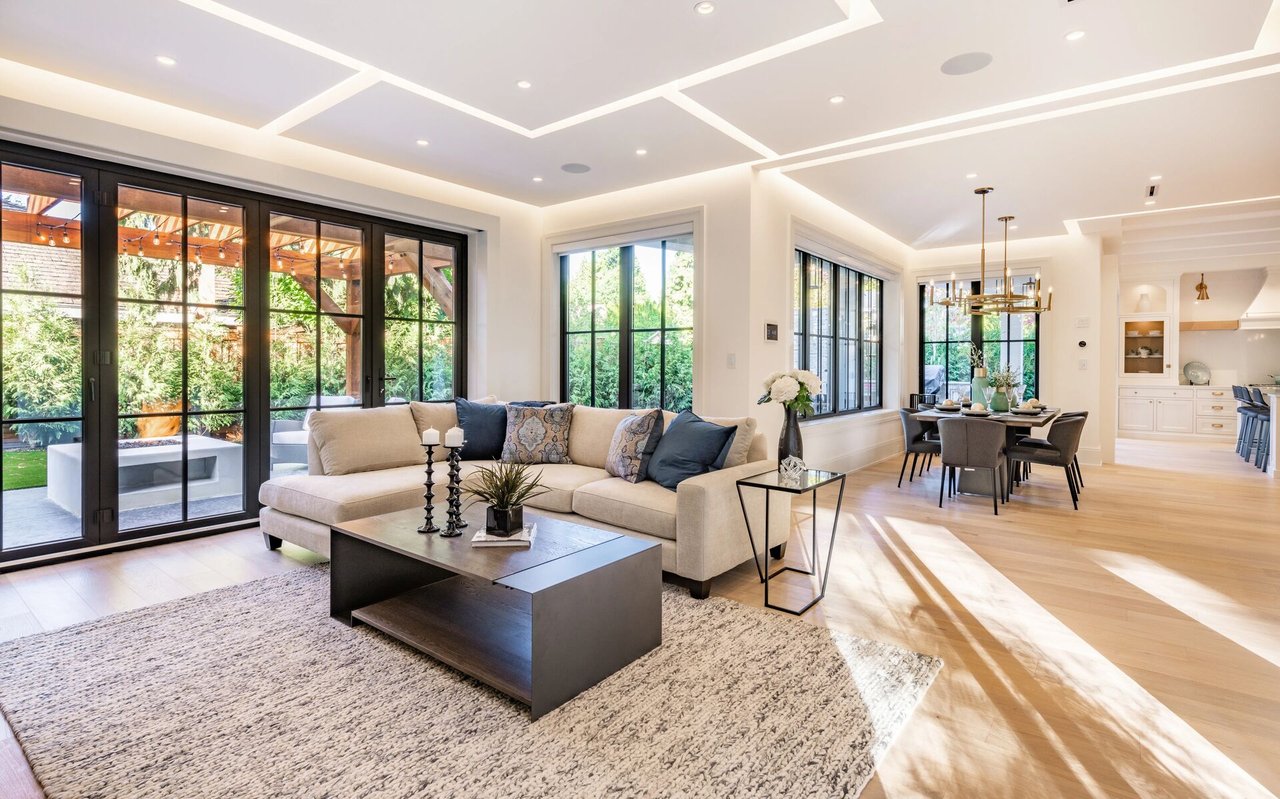
Thinking about building your dream home on a few acres north of Lowell? You are not alone. Custom homes have held steady through 2024 and into 2025, and buyers like you are seeking space, privacy, and room for hobbies. In this guide, you will learn where to find acreage, what zoning and permitting rules matter, how to budget for site work, and smart ways to finance your lot and build. Let’s dive in.
Why demand is growing
Custom building has shown renewed strength nationally, with gains in late 2024 that continued into 2025. That tells you there is healthy appetite for one-off homes on larger lots where owners choose the plan, finishes, and siting. NAHB’s analysis of custom starts supports this trend.
In the Lowell area, inventory for build-ready lots can be tight at times. That pushes interest to undeveloped acreage where you can create your own building envelope. Parcels that already have clear access, favorable soils, and approvals often attract attention quickly.
Where to look north of Lowell
“North of Lowell” often means land in the townships surrounding the City of Lowell. Rules change by jurisdiction, so the first step is to confirm which one applies to your parcel:
- City of Lowell inside city limits uses city planning and utilities.
- Vergennes Township covers much of the rural area directly north and northeast of the city. See the township’s resources and zoning FAQ for quick basics. Vergennes zoning FAQ
- Lowell Charter Township covers areas south and west of the city and some adjacent pockets. The zoning ordinance is detailed and governs things like private roads and open space projects. Lowell Charter Township Zoning Ordinance
Tip: Always identify the township before you evaluate lot splits, setbacks, or utilities. This avoids surprises.
Lot size rules at a glance
Minimums vary by district and township. Common examples for rural single-family parcels:
- Vergennes Township: R-A often 3 acres, R-1 about 1 acre, R-2 about 17,000 square feet. Confirm your specific zoning and any lake or frontage rules with the township. Vergennes zoning FAQ
- Lowell Charter Township: AG-2 Rural Agricultural lists a 4-acre minimum lot area in district rules, while some open space projects can allow different minimums such as 2 acres. R-1 appears near 1 acre in some contexts. Requirements can change by land-division method or project type, so verify with the zoning administrator. Lowell Charter Township Zoning Ordinance
Why this matters: Lot size, frontage, and sewer availability often determine if your parcel is buildable as-is or if you need a different approach, like an open-space plan or PUD.
Is a parcel buildable? Your quick checklist
Use this before you write an offer or list your land:
- Confirm zoning and land-division status. Ask if the parcel is an “original parcel” and whether prior splits limit what you can do. Lowell Charter Township Zoning Ordinance
- Verify septic and well feasibility with Kent County Health. Schedule a site evaluation and review soil and groundwater conditions. Kent County Well & Septic
- Check for wetlands and Natural Rivers buffers. The Flat River corridor is regulated, and work near designated waters or wetlands often needs state permits. Michigan Natural Rivers Program
- Understand access. If the lot uses a private road, townships often require specific construction standards and a recorded maintenance agreement. Lowell Charter Township Zoning Ordinance
- Confirm utilities. Note the distance to electric, gas, and internet, and factor extension costs into your budget.
Permits and timeline
Expect a few key steps before you build:
- Zoning confirmation with the township or city.
- Site evaluation and permits for septic and well through Kent County Health. Kent County Well & Septic
- Private road or driveway approvals if applicable, per township standards. Lowell Charter Township Zoning Ordinance
- Building and trade permits. Several area townships, including Lowell Charter Township and Vergennes, use Cascade Inspections for building, electrical, mechanical, and plumbing permits. Cascade Inspections communities
Timing: Site evaluations and approvals can take weeks to months. Building permits depend on plan completeness and your builder’s readiness. Many county permits are valid for two years, which helps you sequence the work. Kent County Well & Septic
If your site touches the Flat River corridor or mapped wetlands, plan for additional state review. Michigan Natural Rivers Program
Budget basics for rural builds
Costs vary based on design, soils, topography, and access. Use these planning ranges, then confirm with local bids:
- Custom home construction: roughly 200 to 350+ dollars per square foot for high-end custom in Michigan, with lower ranges for semi-custom depending on finishes. Michigan home-build cost guide
- Septic system: about 5,000 to 15,000+ dollars, higher for mounds or advanced systems if soils are limiting. Michigan septic cost overview
- Well drilling: often 4,000 to 15,000 dollars depending on depth and site conditions. Well drilling cost guide
- Driveway and private road: simple rural drives can start in the low thousands, but long runs, culverts, and township-standard private streets increase costs significantly. Review your township’s standards early. Lowell Charter Township Zoning Ordinance
- Soft costs: surveys, engineered septic design, soil borings, wetland delineations, erosion control, and utility extensions add several thousand dollars. County applications include defined processing and evaluation fees. Kent County Well & Septic
Smart move: include a 10 to 25 percent contingency above your builder’s base budget for unknowns like soil issues or longer utility runs.
Land supply and price signals
Recent listings around the Lowell area show a wide range. Smaller 3 to 5 acre homesites have asked in the low to mid 100s, while larger tracts of 20 to 30+ acres often price in the high hundreds. Per-acre costs typically run higher for small, build-ready sites and lower for larger raw parcels that require more infrastructure. Because pricing changes quickly, review current market data and approvals for each lot before you write.
Financing your lot and build
You have several paths, and product availability varies by lender:
- Lot loan plus construction loan. Many buyers purchase the land first, then use a construction or construction-to-permanent loan. Learn the basics so you can compare terms and draws. Construction loan overview
- Single-close options. Some lenders offer single-close construction-to-permanent loans through federal programs or conventional products.
- USDA construction-to-permanent. In eligible rural areas, USDA’s guaranteed program can combine the lot, site work, and construction into one loan through participating lenders. Income and area eligibility rules apply. USDA Single-Family Guaranteed Program
Start lender conversations early. Ask whether the lot can be rolled into the build loan, which builders are approved, and how draws and inspections work.
Tips for sellers of acreage
If you are preparing to sell acreage north of Lowell, small steps can make your land stand out to custom-home buyers:
- Gather zoning and parcel data, including whether it is an original parcel and any prior splits.
- Order a boundary survey and mark access easements.
- Obtain or update a Kent County site evaluation if possible, especially for conventional septic. Kent County Well & Septic
- Clarify private road status and have a recorded maintenance agreement. Lowell Charter Township Zoning Ordinance
- Note utilities at the road and any wetlands or Natural Rivers constraints. Michigan Natural Rivers Program
How we help
Buying or selling acreage is part market savvy, part project management. You deserve a guide who blends both. With deep local knowledge, builder and lender relationships, and a design-forward approach, you get a seamless plan from lot search to keys-in-hand. From off-market sourcing and due diligence to curated marketing that highlights a property’s best features, you will feel supported at every step.
Ready to walk land, review zoning, or map a build path that fits your lifestyle? Connect with Kristina L Tanner for a thoughtful, boutique strategy tailored to you.
FAQs
What areas count as “north of Lowell” for acreage searches?
- Typically the rural parts of Vergennes Township and areas just beyond the City of Lowell. Rules vary by township, so confirm jurisdiction before evaluating lot splits or utilities.
What are typical minimum lot sizes in Vergennes Township?
- Common references show R-A around 3 acres and R-1 around 1 acre, with R-2 near 17,000 square feet. Always confirm your exact district with the township’s current resources.
How do Natural Rivers rules affect building near the Flat River?
- Development near designated segments of the Flat River is regulated, including setbacks and earth changes. Expect state review and permits for work within mapped buffers.
How long does a custom build take after buying land near Lowell?
- Site evaluations and approvals can take weeks to months, then custom construction often runs 8 to 18 months depending on design, site conditions, and seasonality.
What financing can cover both the lot and construction?
- Some lenders offer single-close construction-to-permanent loans, including USDA options in eligible rural areas, or you can pair a lot loan with a construction loan through conventional channels.